Serving Humanity: The Journey of Akanimoh Peter
Born in 1976 in the rocky highlands of Jos, Nigeria, Akanimoh Peter was the son of a soldier serving in the Nigerian Army. His childhood was framed by the discipline of the barracks, but his true enlistment came in 1996. Like a modern-day…

Inemeno Udobang
13 February 2026 · 4 min read
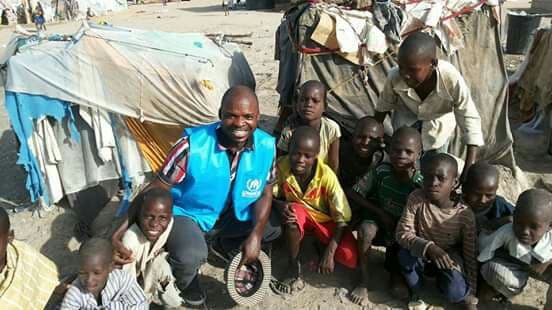
Born in 1976 in the rocky highlands of Jos, Nigeria, Akanimoh Peter was the son of a soldier serving in the Nigerian Army. His childhood was framed by the discipline of the barracks, but his true enlistment came in 1996. Like a modern-day Moses called back to Egypt, Akanimoh was summoned to return to Jos to begin a spiritual warfare against poverty and despair.
The Piggery Pulpit: “Training to Die”
Akanimoh’s journey into the heart of missions began at the Agape School of Discipleship & Missions in Gana Ropp. This was no ordinary seminary; it was a 12-month “Rugged Training” program colloquially known as “Training to Die,” named after the sobering book by Uncle Bayo.
The philosophy was absolute: to reach the lost, a missionary must first die to their own ego, comforts, and ambitions. To enforce this “death to self,” Akanimoh was assigned to the piggery.
- While cleaning pens and feeding livestock, his peers dubbed him the “Bishop of the Pigs”.
- This experience established a foundational truth: one cannot be too proud to serve when their first “pulpit” is a piggery.
- He learned the “Jesus Method”—to serve and not be served—honing a spirit that could not be shaken by the harshest environments.
The Breaking of a Heart: From Basakomo to the Montols
After his training, Akanimoh was sent to the Basakomo people in the interiors of the Gurara River. He was stunned to find a community living in extreme “backwardness” and total isolation, despite being less than a three-hour drive from the power and wealth of the Presidential Villa at Aso Rock.
It was here that the tension between “Proclamation” and “Demonstration” began to tear at his soul:
- The Limited Mandate: His original mandate was strictly church planting and discipleship. He successfully gathered converts under a tree in the village square.
- The Invisible Crisis: He quickly realized that while he had given the people a church, they lacked even the most basic human needs—wells for clean water and toilets for sanitation.
- The Faces of Despair: He met Mama Chongore, whose six-month-old baby was so severely dehydrated and malnourished she looked “tiny” and as if she were “born yesterday”.
Send someone
Help the next team reach the unreached
Keep reading
All stories RoundTable Discuss11 Feb 2026 · 11 min readMissions Searchlights in Rural Communities: Opportunities and Challengesby Emmanuel Attih Prologue: A Necessary Reorientation It is with solemn joy that I accept the charge to redirect our missiological searchlight toward the hinterlands: those spaces often shrouded in the shadow of urban-centric evangelism.
 Inemeno Udobang
 RoundTable Discuss9 Feb 2026 · 7 min readFrom Koma Hills to Continents: The Gabriel Barau StoryGabriel Barau stands as a definitive figure in modern African missiology—a missionary statesman whose vision has transcended borders. He serves as the International Director of GO International Ministry and as the Chairman of the Africa…